
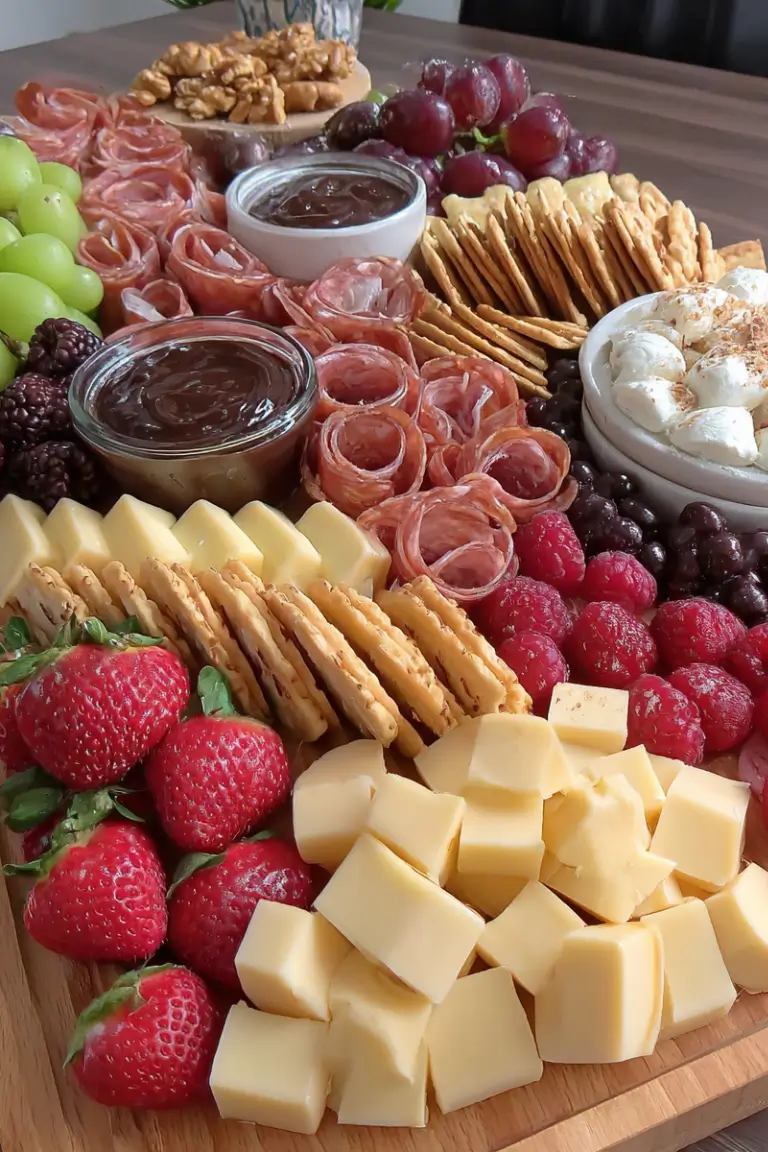
Charcuterie board preparation is one of the easiest and most impressive ways to entertain, whether you’re hosting a casual get-together, a holiday party, or a special family celebration. With a thoughtful mix of cheeses, meats, fruits, crackers, and spreads, you can create a board that looks stunning, tastes amazing, and fits almost any occasion—no cooking required.
This guide will walk you through everything you need to know, from choosing ingredients to arranging them beautifully, so you can confidently build a charcuterie board that feels effortless yet special.
Why You’ll Love This Charcuterie Board Preparation
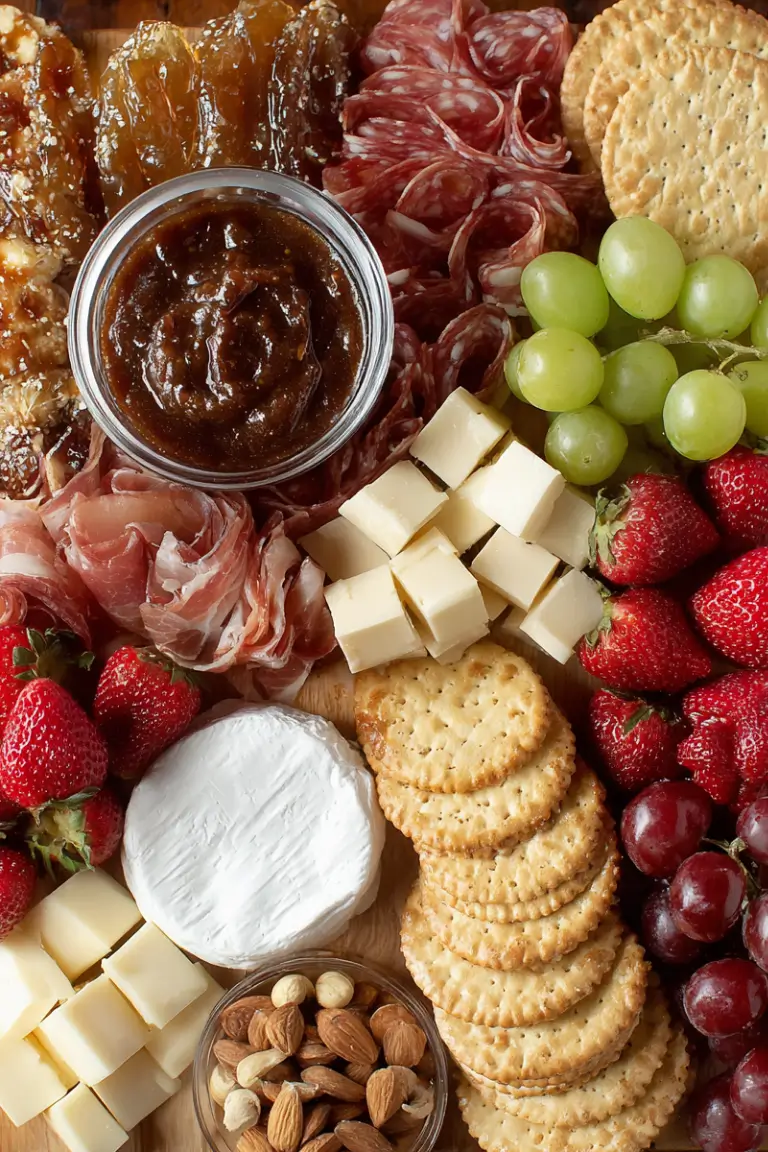
Charcuterie boards are popular for good reason. They are flexible, customizable, and visually appealing, making them perfect for both beginners and experienced hosts.
Here’s why this charcuterie board preparation works so well:
- It’s easy to scale up or down for any group size
- No baking or cooking is required
- You can adapt it for dietary needs and preferences
- It encourages grazing and conversation
- The presentation feels elegant without being complicated
Best of all, you don’t need fancy tools or expensive ingredients—just a little planning and creativity.
Ingredients for Charcuterie Board Preparation
The key to a great board is variety. Aim for a balance of flavors, textures, and colors so every bite feels interesting.
Cheeses
Choose 3–5 cheeses with mixed textures and flavors:
- Soft cheese (brie, camembert, goat cheese)
- Semi-soft cheese (havarti, fontina)
- Firm or hard cheese (cheddar, gouda, manchego)
- A bold option (blue cheese or aged cheese)
Cut some cheeses into slices or wedges and leave others whole for visual contrast.
Meats (Optional)
If you’re including meats, select 2–3 options:
- Salami
- Prosciutto
- Capicola
Fold or roll the meats instead of laying them flat to add height and texture.
Pork-free alternatives: smoked turkey, chicken slices, roast beef, marinated mushrooms, or seasoned tofu strips.
Crackers and Bread
Offer at least two types:
- Crisp crackers
- Seeded or whole-grain crackers
- Sliced baguette or crostini
Place crackers near cheeses but avoid crowding them.
Fruits
Fresh and dried fruits add sweetness and color:
- Grapes
- Berries
- Apple or pear slices
- Dried figs, dates, or apricots
Nuts
Nuts add crunch and richness:
- Almonds
- Pistachios
- Walnuts
- Cashews
Spreads and Extras
Small bowls work best for:
- Fruit jam or preserves
- Honey or hot honey
- Whole-grain or Dijon mustard
- Olives or pickles
Garnishes
Optional but impactful:
- Fresh herbs (rosemary, thyme)
- Edible flowers
- Citrus slices
Ingredient Notes (Substitutions & Swaps)
- Dairy-free: Use plant-based cheeses and extra nuts or roasted vegetables
- Health-conscious: Add hummus, fresh vegetables, and whole-grain crackers
- No alcohol: Skip wine-based spreads and use fruit preserves or citrus-infused honey
- Budget-friendly: Use fewer cheeses but add more fruits, crackers, and nuts
Step-by-Step Instructions
Step 1 – Choose the Board
Select a large wooden board, marble slab, or serving platter. Bigger is better—you want space to spread items out without overcrowding.
Step 2 – Place Cheeses and Bowls First
Start by positioning cheeses evenly across the board. Add small bowls for spreads, olives, or nuts. These anchor the layout and help guide where everything else goes.
Step 3 – Add the Meats
Fold, roll, or fan the meats and place them near the cheeses. Avoid straight lines—gentle curves make the board look more natural and inviting.
Step 4 – Add Crackers and Bread
Tuck crackers and bread into open areas. Keep them grouped but slightly scattered so guests can reach them easily.
Step 5 – Fill Gaps with Fruits and Nuts
Use fruits and nuts to fill empty spaces. This is where the board really comes to life. Try grouping items in odd numbers (three clusters of grapes, five fig halves) for a balanced, organic look.
Step 6 – Finish with Garnishes
Add fresh herbs or small decorative touches. These final details elevate the board from simple to stunning.
Pro Tips for Success
- Let cheeses sit at room temperature for 30–45 minutes before serving
- Use odd numbers for visual balance
- Mix colors—light cheeses next to dark fruits look beautiful
- Don’t overcrowd; negative space helps items stand out
- Provide small knives or spreaders for soft cheeses and jams
Flavor Variations
- Mediterranean-style: feta, olives, hummus, cucumbers, pita chips
- Sweet-focused: extra fruits, chocolate squares, honey, mascarpone
- Rustic: aged cheeses, nuts, dried fruits, crusty bread
- Fresh and light: goat cheese, berries, cucumber, herb garnishes
- Family-friendly: mild cheeses, turkey slices, apple slices, pretzels
Serving Suggestions
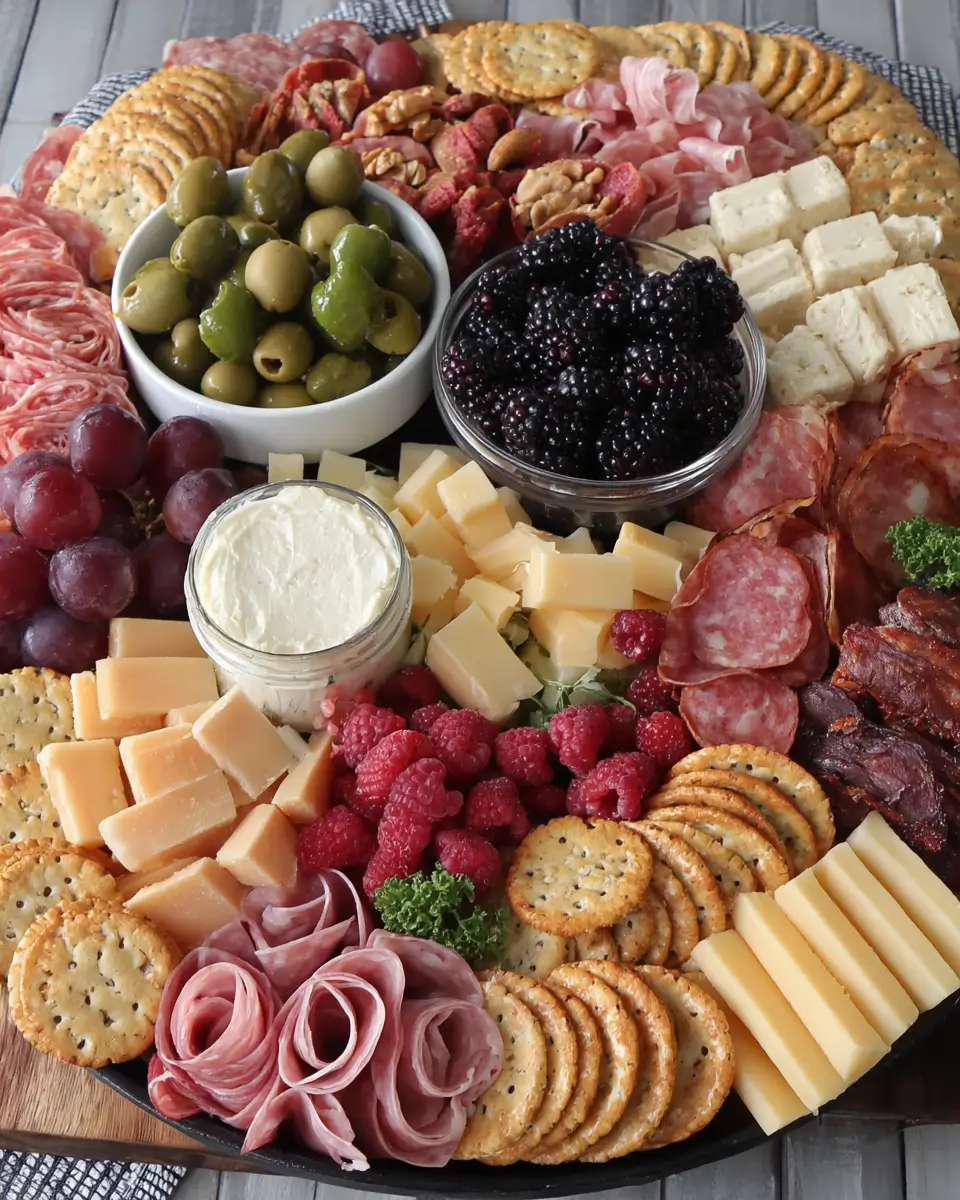
Charcuterie boards work well as:
- A pre-dinner appetizer
- A centerpiece for cocktail parties
- A light meal paired with soup or salad
- A holiday grazing table addition
Serve with water, sparkling drinks, juice, or tea to keep it accessible for all guests.
Storage and Freezing Instructions
Charcuterie boards are best enjoyed fresh, but leftovers can be stored:
- Wrap cheeses tightly and refrigerate for up to 5 days
- Store meats separately in airtight containers
- Fruits should be eaten within 1–2 days
- Nuts and crackers can be stored at room temperature
Freezing is not recommended, as textures and flavors will change.
Nutrition Facts (Per Serving)
| Nutrient | Approximate Amount |
|---|---|
| Calories | 350–450 kcal |
| Protein | 12–18 g |
| Carbohydrates | 25–35 g |
| Fat | 22–30 g |
| Fiber | 3–5 g |
| Sodium | 600–900 mg |
Values vary based on ingredient choices and portion size.
FAQ About Charcuterie Board Preparation
What size board should I use?
Choose the largest board you have available. A crowded board is harder to arrange and less visually appealing than one with space to breathe.
How far in advance can I prepare a charcuterie board?
You can prep ingredients a day ahead and store them separately. Assemble the board up to 1–2 hours before serving and refrigerate until guests arrive.
How much food do I need per person?
For an appetizer, plan about 2–3 ounces of cheese per person. For a light meal, increase to 4–5 ounces.
Do I need meat on a charcuterie board?
Not at all. Vegetarian boards can be just as satisfying with cheeses, nuts, fruits, and spreads.
How do I keep apples from browning?
Lightly toss sliced apples or pears with lemon juice before adding them to the board.
Charcuterie Board Preparation

Equipment
- large serving board or platter
- small bowls for spreads and olives
- cheese knives
- small spoons or spreaders
Ingredients
- 3–5 assorted cheeses (soft, semi-soft, hard, bold)
- 2–3 cured meats such as salami or prosciutto (optional)
- 2 cups assorted crackers and sliced baguette
- 2 cups fresh fruits (grapes, berries, apples, pears)
- 0.5 cup dried fruits (figs, dates, or apricots)
- 0.5 cup mixed nuts (almonds, pistachios, walnuts, cashews)
- 3 tbsp fruit jam or preserves
- 2 tbsp honey or hot honey
- 0.25 cup olives or pickles
- 1 small bunch fresh herbs for garnish (optional)
Instructions
- Select a large wooden board, marble slab, or serving platter with enough space to arrange items without crowding.
- Position cheeses evenly across the board and place small bowls for spreads, olives, or nuts to anchor the layout.
- Fold, roll, or fan the meats and arrange them near the cheeses, using gentle curves instead of straight lines.
- Tuck crackers and bread into open spaces, keeping them grouped but easy for guests to reach.
- Fill remaining gaps with fruits and nuts, grouping items in odd numbers for a natural, balanced look.
- Finish with fresh herbs or decorative garnishes to elevate the presentation.
Notes
Nutrition
Final Thoughts
Charcuterie board preparation doesn’t have to be complicated to be beautiful. By focusing on variety, balance, and thoughtful arrangement, you can create a board that feels welcoming, impressive, and perfect for any gathering. With this easy method, you’ll be ready to entertain with confidence—no matter the occasion.